Thursday, October 15, 2015

Diving Into The Unknown: The Story of Community Psychology

by Annisha Susilo, University of Massachusetts Lowell


Image Credit: 

I used to be terrified of change and not knowing what comes next. I like to live by plans and certainty makes me feel safe. I think that’s what psychologist in the 1960’s probably felt like when they first started working in the field of community psychology. That was the image I pictured from reading the first chapter of “Community Psychology: Foundations for Practice” by Scott & Wolfe (2015) and attending my first class on community psychology.

Born to address and alleviate significant social issues (Scott & Wolfe, 2015), the field of community psychology took on huge a responsibility for facilitating social change. Additionally, it championed the importance of conceptualizing social issues from an ecological perspective and using strengths-based prevention strategies to address them. Gaining support for such approaches was not an easy task. Community psychology has had to overcome challenges such as gaining recognition and legitimacy, applying theory to solve problems in the field, and connecting research with field work (Scott & Wolfe, 2015). The discipline's emphasis on looking at problems in context, with all the messiness and multiple factors involved and then apply theory and research findings to solve them, is what most attracted me to this field.

As a recent graduate majoring in psychology, I had a very simple and straightforward vision of what psychologists do. Psychologists have clinical practices where they assess and diagnose patients and then, deliver appropriate treatment. However, the reality is much more complex than that. Through working with children with Autism Spectrum Disorder (ASD) from different socio-economic backgrounds and institutions in Jakarta, I learned that there weren’t standardized methods of assessment and treatment that psychologists in my home country can use for children with ASD. Most of the assessments were translated but not validated for the Indonesian population. In addition, not every therapist working with children with ASD were trained in working with this population. As a result, it very difficult to provide a child with ASD the best assessment, diagnosis and treatment in Indonesia. But the problem does not stop here, since there isn’t any center for ASD and a lot of the clinics have a long waiting list, it is very difficult for parents to get information and resources regarding ASD. There is no government support, no easy access for resources, no funding for research. It’s a nightmare to a lot of parents and extremely difficult situation for those with few economic resources. Ultimately, children bear the brunt of these shortcomings; they can't get properly diagnosed, and as a result, are prevented from accessing appropriate treatment.  This is what drove me to pursue a master’s degree in community psychology.  I know that I’m not going to be able to make a change by working as a psychologist one-on-one with clients; there are too many families that need help and too many issues to take into account. I need to look at the bigger picture and find broader, more, systemic solutions.

The complexities of community psychology are not easy and its bit intimidating to be a part of this field but, I’m glad that the founders of community psychology didn't shy away from the challenges they faced early on. I hope that one day, with enough experience and knowledge, I can go back to my home country of Indonesia and provide much needed help to the ASD community there. This will be the first time I’m diving into the unknown. 

#commpsych


Annisha Susilo is a student in the Navitas program at the University of Massachusetts Lowell. She is currently enrolled in Dr. Christopher Allen's Introduction to Community Social Psychology course.

References

Scott, V. C., & Wolfe, S. M. (2015). Community Psychology Foundations for Practice. California: Sage.

Wednesday, October 14, 2015

Swapping our Stuff for the Sake of Community

THEory into ACTion

A Bulletin of New Developments in Community Psychology Practice
September, 2015

by
Tabitha Underwood, Ph.D. 
Missouri Campus Compact, Missouri State University

        Among the challenges facing community practitioners are trends to privatization and overdependence on the market economy to solve pressing problems.  Opportunities for impactful practice may then instead lie in the sharing economy.  In such an economy, goods and services are loaned, shared, cooperatively owned, or exchanged. One example of the sharing economy is the free store, a place where goods are exchanged without money changing hands. This Bulletin shares a brief story of a free store on a college campus, to demonstrate the sharing economy’s positive aspects. While this free store was campus-based, the same concepts can be adapted to communities outside campus walls.

        The story goes that free stores began in the 1960’s with the Diggers, a counter culture group dedicated to freeing oneself of property and living outside capitalist markets (see more at http://www.diggers.org/overview.htm). Free stores look like any other thrift store with gently used clothing, household goods, furniture, electronics, etc; however, as the name indicates, everything is free and doesn’t require reciprocity. Beyond free stores there are now many stories of the free exchange of goods such as neighborhood free markets, online swaps, neighborhood exchange boxes, and exchanges based on specific goods such as seed exchanges (see shareable.net for more). It seems that this increase in the utilization of the sharing economy has been a result of the environmental movement and the downturn in the economy (Albinsson & Perera, 2012).  


Benefits
        Free stores function within the confines of all three pillars of sustainability including environmental, economic, and social. Free stores provide an opportunity to recover some of the tens of millions of tons of furniture, furnishings, clothing, and footwear generated every year (EPA, 2013). They also provide an avenue to address economic needs through the provision of goods such as clothing and household items. Finally, being careful not to overstate their impact, free stores can contribute to sustainable communities by building connections, facilitating neighborliness, and providing a place and excuse for interaction much in the same way that garage sales have done (Herrmann, 2006). Research on free temporary markets has found themes of community building, creation of interactions, sharing of skills, and caring for others during the events (Albinsson & Perera, 2012). 

        Most of all, free stores have the potential to foster inclusion in a community. Anyone can participate. If set up properly, a free store can be for everyone and used by everyone with no stigma attached. They don’t have to be attached to the idea of welfare, social services, or poverty alleviation. It can simply be about reuse. They foster inclusion because they are focused on the well-being of all instead of a few (Albinsson & Perera, 2012).     

A Free Store in Action

        A few years ago, while working for a private women’s college, I had the opportunity to be involved in the development and management of a free store on campus. It was begun by a creative and pioneering sustainability coordinator along with the support of the events office, residence life, the volunteer office, and several faculty members. The free store, located within an empty residence hall room, was designed as a boutique by an interior design course. Beginning from a few of us climbing through dumpsters to save reusable items from the landfill, it morphed into a fully supported program with permanent space, a budget, and a student worker manager who maintained inventory and coordinated marketing and engagement efforts.  

        The store looked very much like any small clothing boutique including a dressing room. Any student was welcome to come through and take from the plethora of household and clothing items. Donations were more than welcomed but not necessary in order to “shop.” Goods were obtained during the residence hall move-out process. Goodwill provided large rolling laundry carts that were placed in each of the residence halls a few weeks before spring graduation and students were encouraged to donate items they didn’t want to take home. Goods were then processed and sorted for the free store, Goodwill, and a local creative reuse center. At the end of move-out, our collective efforts typically produced anywhere between 10 and 14 large laundry carts worth of goods, valued by Goodwill at $2000 per cart. The sheer number of shower caddies alone saved from the dumpster could have filled anyone’s bedroom closet.  

        The free store was a demonstration of the partnership possibilities within a campus environment. Residence Life provided the space and assisted in facilitating the collection of items during move-out. It was incorporated into orientation and move-in day activities to provide goods to help resident students set up their new residence hall rooms. It was also included into alumnae reunions and provided a donation venue for alums. It provided a venue for volunteer opportunities to engage students, and faculty were able to connect to the store through service-learning hours and projects. Eventually, new initiatives grew out of the free store, such as an interview clothing exchange and a campus food pantry and has recently been connected to a new scholarship program as a volunteer site.

Implications for Community Practice

        While the free store experienced many challenges and its fair share of growing pains, it was able to achieve positive outcomes that could be replicated on other campuses and in the community. It provided a common goal to galvanize partnerships across campus, provided goods to fulfill student needs, served as a volunteer opportunity for students, and saved tens of thousands of dollars of goods from the landfill. More importantly, it was an avenue to teach and engage students. Informally, we witnessed a shift in consciousness of the students, demonstrating a sense of pride for the boutique and implementing reuse principles into their events. Overall, it provided an impetus to have a conversation about reuse and engagement and work together in a collaborative partnership to make an impact in the life of the campus. The positive outcomes from this example can also be seen in the various free stores and similar reuse initiatives on other college campuses that have been established both before and since our store (see www.shareable.net and aashe.org).  

        As a community practitioner, to me the most important outcome was the inclusive nature of the store. The original purpose was reuse and saving useable items from the landfill. It was not created with the intent of addressing emergency needs of students, although it inadvertently served that purpose. All students could frequent the store without stigma or feeling that they had to hide their patronage. It also allowed us to give the students a volunteer experience outside the realm of traditional servanthood and didn’t have the consequence of setting up an “us and them” scenario or a “savior” orientation. Because it was incorporated into many aspects of the campus, it became a common cause that students could support and rally around. It was a demonstration of inclusion through equality, which is what we would hope to achieve in any community practice. 

        In my experience with the sharing economy as outlined here, I’ve seen that this realm of life has the potential for community practice. Ultimately, a free store allows us to both utilize and undermine the American consumer culture while making friends, sharing goods, and saving the planet one shower caddy at a time. The Diggers would be proud. 

References

Albinsson, P. A., & Yasanthi Perera, B. (2012). Alternative marketplaces in the 21st century: Building community through sharing events. Journal of consumer Behaviour, 11(4), 303-315.

Environmental Protection Agency. (June 2015). Advancing sustainable materials management: Facts and figures 2013. Retrieved from http://www.epa.gov/wastes/nonhaz/municipal/msw99.htm.  

Herrmann, G. M. (2006). Garage sales make good neighbors: Building community through neighborhood sales. Human organization, 65(2), 181-191.

Other Examples of Free Stores and Campus Reuse

University of Louisville: https://www.facebook.com/UlFreeStore 
Association for the Advancement of Sustainability in Higher Education: www.aashe.org 

This is one of a series of bulletins highlighting the use of community psychology in practice. Comments, suggestions, and questions are welcome. Please direct them to Tabitha Underwood at underwoodtabitha@gmail.com.


Tuesday, October 13, 2015

Collaboration and Social Change


by Selin Tekin, University of Massachusetts Lowell


Peace is an easy path to tread
Peace is where our fears are mislaid
Peace is a beginning to restore
Peace is a friendly open hand
Peace is a place to understand
Peace is an end to all hate
Peace is why we negotiate
Peace for all victims of war

excerpt from "Path of Peace" by Paul McCann

The term "fanatic" is often used to describe someone with an extreme point of view. While the shorter and benign form of this word, "fan," is commonly used to refer to sports enthusiasts, the word "fanatic" is often used in a derogatory manner to describe people who hold extreme religious views. However, while a person may appear to be a terrorist in the eyes of his enemy, they may also be heralded as a freedom fighter in the eyes of their supporters (Marimaa, 2011). Social scientists have long struggled with explaining why people stick to one ideology and are unable to tolerate critics of their ideas (Castels, 2010). Though conflicts are commonplace when people hold opposing views, social science research has shown that people with opposing viewpoints can put aside their differences to pursue a shared goal. I witnessed this firsthand only a few years ago.

Gezi Park, is a popular park for socializing that is located in one of the busiest districts of Istanbul, Turkey. In 2013, when municipal authorities attempted to redevelop the space into a shopping mall, citizens protested. The protest began peacefully; people would gather in the park to read or simply sit in silent protest. However, the government responded by sending the police to disperse the posters with force (Celik & Andic, 2013).One of the most interesting things about the Gezi Park protest was seeing that people from cultural groups come together as one to protest against the government action. Whether conservative or liberal, religious or atheist, or nationalist citizens, people from a range of backgrounds unified to protest the government's plan for the park.

The power of superordinate goals to bring people together is reminiscent of the classic Robber's Cave experiment by Sherif. In the first part of the study, Sherif created an intense rivalry between two groups (the "Rattlers" and the "Eagles") of boys at a summer camp by having them compete in a variety of games.  In the second part of the experiment, the researchers created a game which required the cooperative effort of both groups to succeed. Given their history of competing, the Rattlers and Eagles were reluctant to cooperate. However, they eventually learned that being opponents did not lead them to a solution (Sherif, 1958).

Many of the cultural and religious groups involved in the Gezi Park protests, had long histories of hostility toward one another. However, when faced with the prospect of losing Gezi Park, they were able to work together and leverage their "cold anger" (see Langhout, 2015) at municipal authorities for social action. Gezi Park remains a popular respite in downtown Istanbul.
#commpsych    

#occupygezi 

Selin Tekin is a graduate student in the Community Social Psychology program at the University of Massachusetts Lowell. She is currently enrolled in Dr. Christopher Allen's Introduction to Community Social Psychology course.

References

Castells, M. (2010). The Power of Identity (2nd ed.). West Sussex: Wiley-Blackwell Publication.

Celik, M., Andic, S. (2013).Prof. Dr. Ali Donmez ile Sosyal Psikoloji Uzerine… Nesne Dergisi, 1(1): 70-73.

Langhout, R. D. (2015). Consedering Community Social Psychology Competencies: A Love Letter To Budding Scholar-Activists Who Wonder if They Have What It Takes. American Journal of Community Psychology, (55),  269-273.

Marimaa, K. (2011). The Many Faces of Fanaticsm. ENDC Proceeding, (14), 29-32.

McCann, P. (2015). Path of peace. Retrieved from: http://www.poemhunter.com/poem/path-of-peace/

Sherif, M. (1958). Superordinate goals in the reduction of intergroup conflict. The American Journal of Sociology, 63(4), 349-356.

Thursday, October 8, 2015

Is Health Class Important for the Community?

by Mariah Bourne, University of Massachusetts Lowell


Image Credit: 


It has always been a goal of mine to become a high school health teacher. However, once I began working in the school system, I learned that my goal might be harder to attain than I realized. Recently, I was having a conversation with another teacher at a school where I work as a substitute. After answering the obligatory "chit-chat" questions (e.g. "How long have you been substitute teaching?," "Where do you go to college?", etc.) she asked about my professional aspirations. When I told her that I wanted to be a health teacher, I was met with a very quizzical look. I was surprised by her response because, until then, I had never thought of being a health teacher as an uncommon calling. What she said next stuck with me. "Health is a dying field," she said. 

I didn't pay her comment much attention until I started hearing similar statements from other teachers. Then, I really started to wonder: What does this mean for the future of young adults (and my own professional goals)?!? It just made no sense to me that a class that was meant for educating future adults on the importance of making healthy decisions was no longer viewed as being important. 

Restoring the reputation of health class is tricky; many don't see it as having the same relevance of more traditional subjects like English or math. However, I think that health class is one of the most important classes offered in grade schools. As Kelly's principle of succession (as cited in Scott & Wolfe, 2015) reminds us, the students in health classes today will grow up to become the community leaders of tomorrow. It makes good sense to educate and help empower children to make healthy lifestyle choices so they can be positive role models and contribute to building healthy communities.

Community psychologists can help repair the reputation of health classes by sharing the importance of prevention and strengths-based approaches to health and wellness. In addition, community psychologists can assist schools in developing and conducting needs and resource assessments to ensure that students are receiving health education that is tailored to their school and community contexts. Delivering health content that has clear connections to the lived experience of students will help generate excitement for new health classes curriculum that being taught the most recent and effective information. The potential benefits from a socio-culturally relevant health class could be life changing for students and have a lasting community impact. Let's reboot health class!


#commpsych
#healthrocks

Mariah Bourne is a graduate student in the Community Social Psychology program at the University of Massachusetts Lowell. She is currently enrolled in Dr. Christopher Allen's Introduction to Community Social Psychology course.

References

Scott, V.C. & Wolfe, S.M. (2015). Community Psychology: Foundations for Practice. Thousand Oaks, CA: Sage.

Tuesday, October 6, 2015

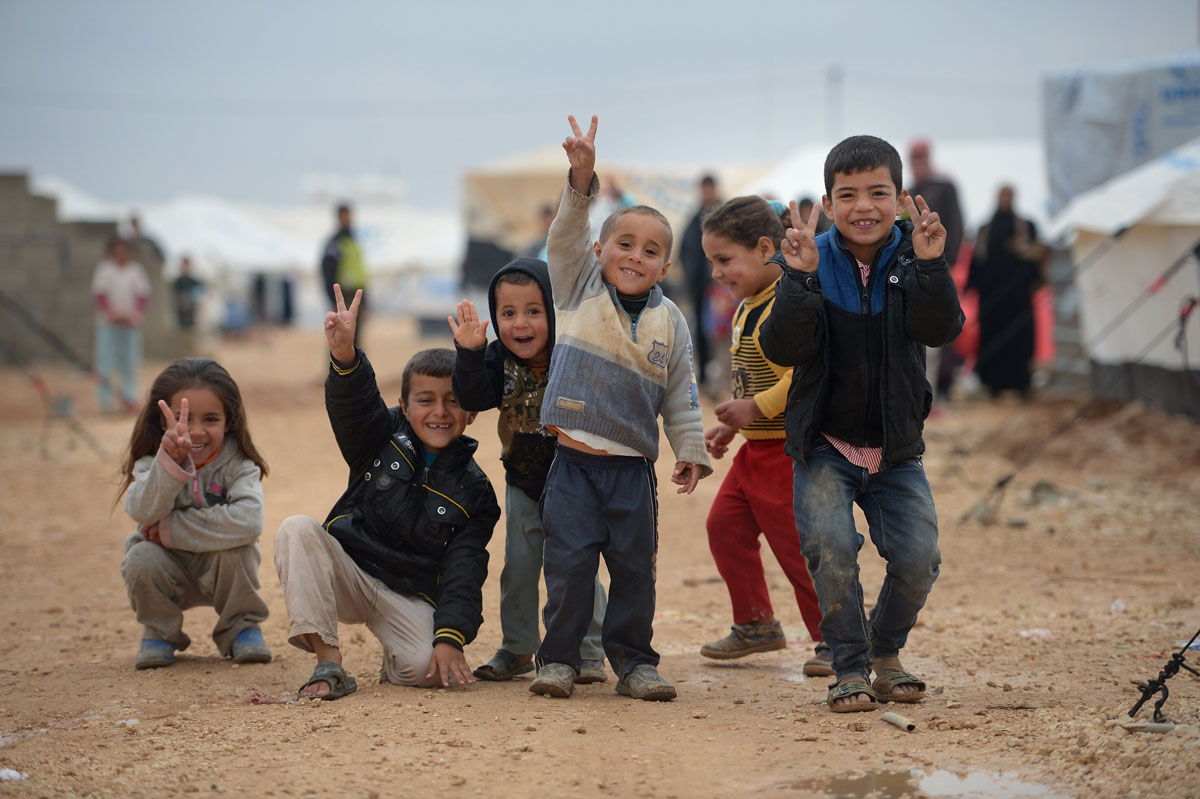
Living On Hope, Hoping For a Bright Future: Syria’s Children

by TuÄŸba Metinyurt, University of Massachusetts Lowell


Image Credit:
https://res.cloudinary.com/tremr/image/upload/dugn5ijc64amyiem3egp.jpg

“My adolescence, it was taken from me. I feel that I am in a different world, as if I am not living. Sometimes I wish we died before seeing what we saw. I wish we never came to this world and saw this.” 

These words belong to a 16-year-old refugee girl, who fled violence in her home country (Kashi, 2014). 

According to annual situation report by UNICEF, in November 2014, 10.9 million Syrians were displaced outside of Syria, including over 3.3 million refugees across Lebanon, Jordan, Iraq, Turkey and Egypt. More than half of the refugee population are children. (UNICEF, 2014a, p.1)  Syria’s children have witnessed too many violent and traumatic acts. Consequently, they are growing up with feelings of mistrust, betrayal, anger, displacement and uncertainty about their future. Children under the age of 18 are growing up in unsanitary conditions, in need of education, and in need of healthcare and psychological support. These children are at risk of becoming a “lost generation” and they need a sense of belonging in their new environment as well as basic humanitarian needs.

The recently published Bahcesehir Study of Syrian Refugee Children in Turkey (Ozer, Sirin, Oppedal, 2015) interviewed refugee children from Syria. According to this study, three in every four Syrian children had lost a loved one due to the bloody conflict; one in every three children had been hit, tortured or shot at in the course of the conflict. In addition, many people lost access to healthcare and are living in unsanitary conditions where the risk of disease is high. 2,000 schools have either been damaged by the fighting or become temporary shelters for displaced people, greatly disrupting Syrian education. (p. 20-25)

Community psychologists provide services for refugees and seek solutions to provide mental health and health care services, to enhance protective factors such as social support, to engage children and adolescents in preventing discrimination, violence, abuse, exclusion, prejudice and separation of children through educational programs. They also attempt to address the social and physical causes of psychological distress in refugees. 

Providing healthcare and education services is vital for protecting the host communities and the refugees. In doing this, they can prevent the built up anger that may threaten host communities in the near future. As Ozer and Sirin stated (2013), “…places like Afghanistan or Rwanda should remind us what happens when refugees are left to their own devices: camps, full of people who feel forgotten and, therefore, hopeless and angry, becomes recruitment grounds for child soldiers. This cycle carries the civil unrest across generations.” To avert this cycle, community psychologists can take an active role in creating a sense of belonging and helping refugees connect to their community. To achieve this goal, time banking can be used as a tool to develop links between refugees and host communities. Time banking is a reciprocity-based economic system where time, instead of money, serves as currency. Time banks allow communities to come together and trade services, connecting people, filling needs, and creating growth. “This program gives refugees and host communities the opportunity to earn time credits for voluntary work and to exchange these credits for the equivalent amount of time of someone else’s skills, serving to develop links between refugees and host communities.” (Webster & Robertson, 2007, p. 156). 

It is also promising that many non-profit organizations from around the world, such as UNICEF, USAID, and Save The Children are working together to save Syria’s children. UNICEF is lending a helping hand to these children and their families, providing psycho-social support as well as shelters, warm clothes and accessible education for children (UNICEF, 2014b). In addition to UNICEF, the USAID- No Lost Generation project helps provide psycho-social services through women's health centers, mobile clinics, and outreach workers to help Syrians deal with the stresses of conflict and displacement. It also leads parent support programs which focuses on helping mothers, fathers, and caretakers develop the skills to cope with stress and to provide protective care for their children (USAID, 2014). The Save The Children team is another organization that runs alternative learning programs and informal education in refugee camps and host communities, providing safe play areas and access to counseling for thousands of children across the region. They also launch back-to-school campaigns to encourage parents to enroll their children (Save The Children, 2014).

If you would like to learn more about the lives of Syrian refugees, I would recommend a short documentary called Syria’s Lost Generation, (Syria's Lost Generation).

#commpsych

TuÄŸba Metinyurt is a graduate student in the Community Social Psychology program at the University of Massachusetts Lowell. She is currently enrolled in Dr. Christopher Allen's Introduction to Community Social Psychology course.

References

Kashi, E. (Director). 2014 Syria’s Lost Generation: Directors Give Voice to War’s Young Refugees. Podcast retrieved from: http://talkingeyesmedia.org/syrias-lost-generation

Ozer, S., &, Sirin, S., (2013, April 30). Provide Education and Health Care for the Refugee Children in Syria, The New York Times. Retrieved from: http://www.nytimes.com/roomfordebate/2013/04/29/finding-solutions-for-syrias-growing-refugee-crisis/provide-education-and-health-care-for-the-refugee-children-in-syria 

Ozer, S.,  Sirin, S. & Oppedal, B. (2015). Bahcesehir Study of Syrian Refugee in Turkey. Retrieved from: http://www.fhi.no/dokumenter/4a7c5c4de3.pdf


UNICEF. (2014a).  Syria Crisis- 2014 Annual situation report, 1-5. Retrieved from: http://www.unicef.org/appeals/files/UNICEF_Syria__Annual_Regional_Crisis_Situation_Report_2014_.pdf

UNICEF. (2014b). Retrieved from: http://www.unicef.org/appeals/syrianrefugees.html


Webster, A., Robertson, M., (2007).  Can Community Psychology Meet the Needs of Refugees? The Psychologist, 20(3), 156-158. Retrieved from: http://thepsychologist.bps.org.uk/

Thursday, October 1, 2015

Theater: Entertainment and Then Some

On Tuesdays and Thursdays during the month of October, community psychology students will be contributing entries connecting their life experiences to the field of community psychology. 


by Jackie Marcoux, University of Massachusetts Lowell


The world has been viewing theater for hundreds of years.  It started with the Greeks and the goal of teaching their communities life lessons.  As the art form grew, goals shifted.  Theater became a mode of entertainment; a place to go for a few hours to forget about the poverty that awaited you back home in 1500’s England.  The goal of entertaining a crowd of people has continued into the present. 
Today, we still wish to be entertained when we sit down in the theater but we are also prepared for more.  We want to feel emotions and connect with characters who are different from ourselves.  This idea has been utilized by some artists as a mode of change within the world outside of theater.  I’m not exactly sure when the shift began but we are just starting to see its ripples.

For me, it began with the musical RENT.  RENT put a spotlight on the issue of HIV and AIDS in a way that had never before been done.  People were able to sing along with the songs and connect with these characters.  We may not be diagnosed and dying of AIDS in the early 1990’s but we can certainly imagine we are and realize how important the issue is.  A dialogue was started.

Then came Next to Normal, a musical about a family coping with a matriarch who has delusions of her dead son and is bipolar.  This show paved the way for a discussion about mental health issues and the toll they can take on a family.  There were conversations about whether or not people should be medicated in order to deal with the issue.  The children of these parents were also focused on and questions about whether or not it is healthy for them to live with a parent that has a diagnosed mental illness.  These questions and concerns didn’t just disappear when the show left Broadway.  Every time the show is performed around the country these questions get thought about by the communities that see the show. 


Deaf West's production of Spring Awakening


Currently on Broadway there are multiple shows continuing the idea of theater starting conversations and making impacts.  The play The Curious Incident of the Dog in the Nighttime speaks to autism.  The musical Fun Home deals with LGBT issues and suicide.  Matilda is a musical dealing with abusive adults.  Spring Awakening is a story of teens learning about sexuality in 1600’s Germany. 

On a recent trip to New York City I was able to see Spring Awakening.  In the current production of the show, originally staged by Deaf West based in California, the Deaf culture has been incorporated into the show’s storyline.  The entire production is done in American Sign Language and has selected certain characters as deaf.  This adds a new dimension to the show because not only is it discussing young people discovering their sexuality in a world that tried to hide them from it but it also deals with being a deaf person, particularly at that time in history.  It allows for conversations about sexuality, Deaf culture, and the ability to be inclusive of all people who want to go to the theater.

Community Psychology is all about working towards addressing issues of social justice but that can only happen if conversations about those issues are started.  Theater is no longer a vacuum where the viewer simply goes to be entertained.  Viewers are being forced to look at themselves and the world to find meaning in what they just watched.  In order to find meaning, those dialogues occur and people can begin to work toward fixing the issue.  Sure, some people will continue to go to the theater just to be entertained and to forget about the world for a little while.  It is my hope that more theater will be created that forces the viewer to think critically about an issue, promote action and activism, and create social change.


#commpsych
#theater

Jackie Marcoux is a graduate student in the Community Social Psychology program at the University of Massachusetts Lowell. She is currently enrolled in Dr. Christopher Allen's Introduction to Community Social Psychology course.